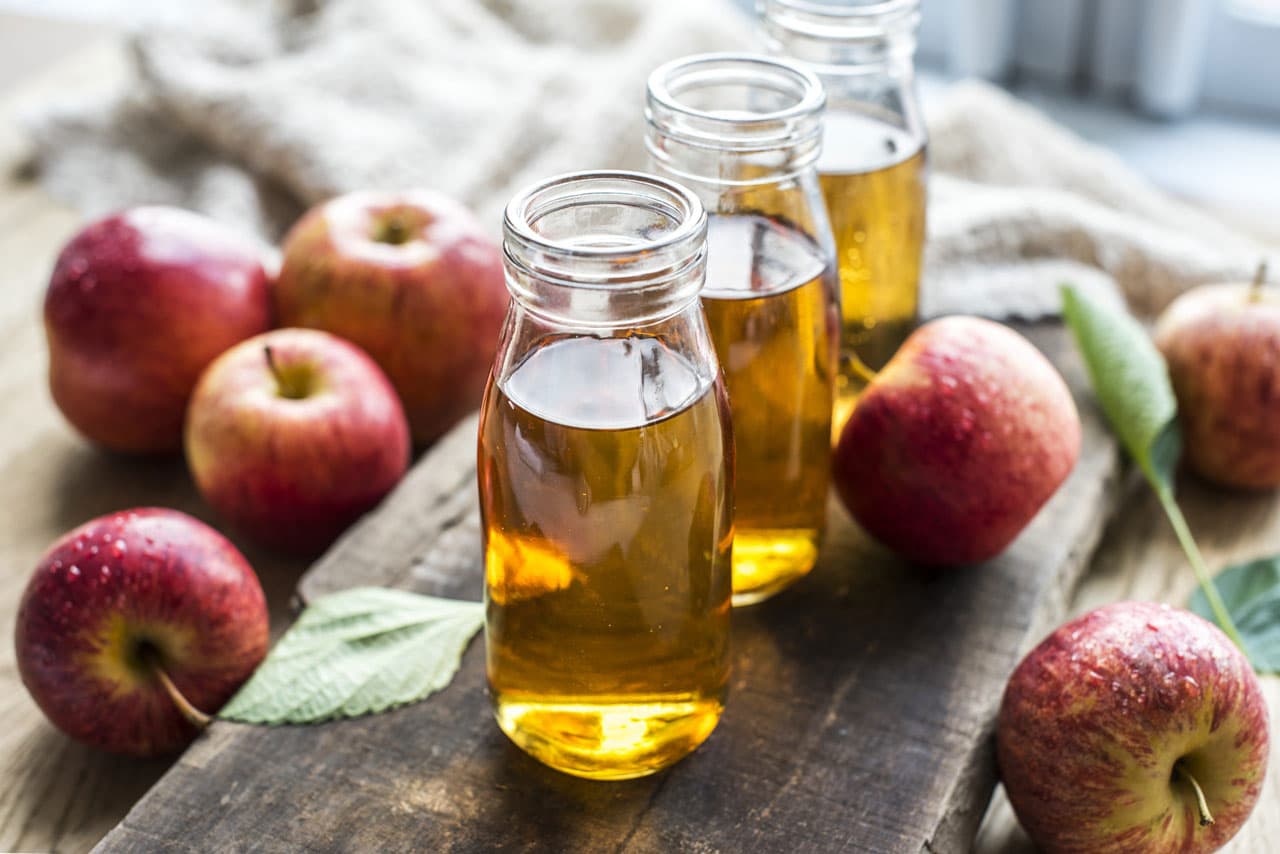
After a big weekend or too many takeaways, the idea of hitting reset with a detox diet or juice cleanse sounds appealing. But does it actually work the way we think?
According to Dr. Emily Leeming, a dietitian at King’s College London, the short answer is: no.
“Your body already has a natural detox system that eliminates waste and potentially harmful molecules. You don’t need a special diet to do that,” she explains.
The word “toxins” gets thrown around a lot, but most of what people refer to are normal by-products of food, alcohol, and metabolism. Your liver, kidneys and gut are already hard at work breaking these down and flushing them out. Your:
- liver filters alcohol and excess fats.
- kidneys remove waste via urine.
- gut microbiome helps break down food and bind unwanted compounds so they can be excreted.
So why are detox diets so popular?
“There’s something puritanical about it,” Leeming says. “It feels like punishment for indulgence – but ironically, you’re depriving the very organs that need fuel to detox effectively.”
Juice cleanses, for example, often lack essential nutrients like protein and fiber, which your body needs to function properly. They may leave you hungry, tired, and poorly rested, all while offering little to no actual benefit.
If you’re feeling sluggish or “toxic”, what your body likely needs isn’t restriction – it’s support. That means:
- eating a balanced diet with fibre-rich foods like legumes and whole grains
- staying hydrated
- prioritising sleep and movement
What about fasting?
While restrictive detox diets like juice cleanses don’t offer the benefits many people expect, fasting, when done mindfully, can support your body in different ways — and some of those benefits are backed by science.
According to researchers like Dr Rhonda Patrick, certain types of fasting — such as intermittent fasting (IF) or time-restricted eating — may support:
improved metabolic health
insulin sensitivity
cellular repair processes like autophagy (your body’s way of clearing out damaged cells)
reduced inflammation markers.
But it’s not a magic fix or a one-size-fits-all solution.
Fasting works best when paired with nutrient-dense, balanced meals during eating periods. Skipping meals but then eating poorly does nothing for your gut — or your health.
And unlike juice cleanses, fasting doesn’t involve consuming sugar-heavy liquids or depriving your body of protein and fibre. Instead, it allows your body time to focus on repair, without starvation or gimmicks.
The bottom line?
Fasting, when guided by science and tailored to your lifestyle, may offer health benefits — but it should never come at the cost of balanced nutrition, adequate hydration, or your mental well-being. Always speak to a healthcare provider before starting a new eating pattern, especially if you have underlying health conditions.